Signs It’s Time to Reseal Your Pavers
Noticing signs it’s time to reseal your pavers, like fading or stains, indicates local contractors can restore and protect your surface effectively.
If your pavers are showing signs of wear or damage, it might be time to consider resealing. Property owners in the area often notice issues like fading color, stubborn stains, or a rough texture that makes walking uncomfortable. These are common indicators that the protective sealant has started to break down and can no longer shield the surface from the elements or daily use. Recognizing these signs early can help maintain the appearance and longevity of your paved areas, ensuring they continue to enhance your property’s curb appeal.
Seeking the help of experienced service providers can make a significant difference when it’s time to reseal pavers. Local contractors who specialize in paver maintenance understand the specific needs of different surfaces and can assess whether resealing is appropriate. They can also recommend the right products and techniques to restore your pavers’ original beauty and durability. Keep reading to learn more about the common signs that indicate it’s time to reseal your pavers and how local experts can assist with this important maintenance task.
- Paver resealing - homeowners notice fading or loss of color on their pavers and seek local contractors to restore their appearance.
- Signs it’s time to reseal your pavers - visible cracks or surface wear often indicate the need for professional resealing services to protect the paver surface.
- Resealing services - when pavers become slippery or develop stains, local service providers can apply a protective sealant to improve safety and cleanliness.
- Signs it’s time to reseal your pavers - after harsh weather or heavy foot traffic, local contractors can help maintain paver integrity through resealing.
- Paver resealing - if moss, algae, or mold appear on the surface, local pros can reseal to prevent further growth and preserve the pavers’ condition.
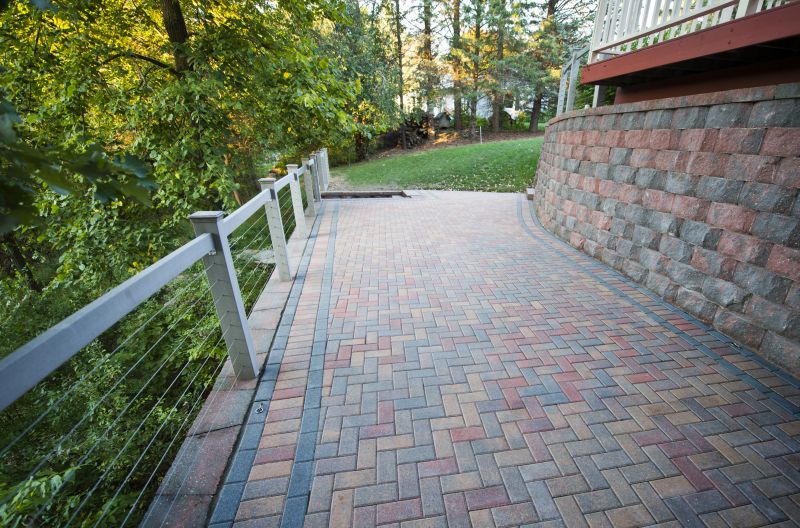
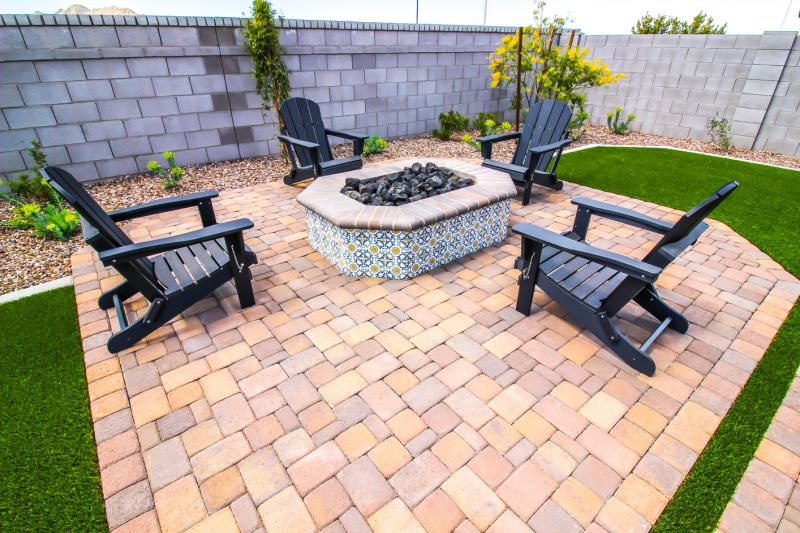
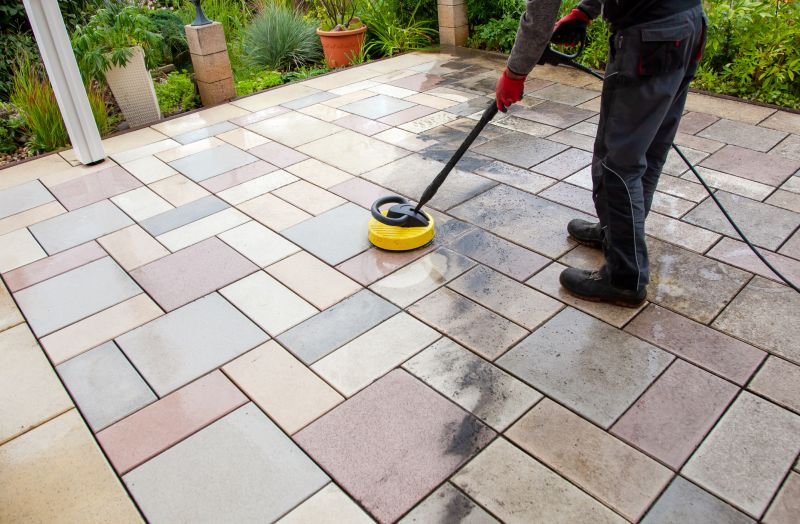
When homeowners search for signs it’s time to reseal your pavers, they are typically looking for practical indicators that the surface needs attention to maintain its appearance and durability. Pavers, often used for patios, walkways, driveways, or pool decks, are exposed to weather, foot traffic, and regular use, which can cause their protective sealant to wear down over time. People often want to know if visible damage, such as fading, staining, or surface erosion, signals that resealing is necessary. Recognizing these signs early can help prevent more extensive damage, preserve the aesthetic appeal, and extend the lifespan of the paved area.
This topic is closely related to property maintenance plans, renovation projects, or upgrades aimed at improving curb appeal and property value. For many homeowners, resealing pavers is part of routine upkeep to ensure their outdoor spaces stay attractive and functional. Problems that prompt this search often include the appearance of cracks, loose or shifting pavers, or the buildup of moss and mold that can compromise surface integrity. Additionally, property owners planning to sell or lease their homes may consider resealing as a way to boost visual appeal and protect their investment. Service providers who specialize in paver resealing can evaluate the condition of existing surfaces, recommend appropriate treatments, and help homeowners achieve long-lasting results.
The types of properties that commonly come up in discussions about resealing pavers include residential homes, especially those with landscaped gardens, patios, or pool areas. Commercial properties such as restaurants, hotels, and retail centers with outdoor walkways or seating areas also frequently require paver maintenance. These properties often have high foot traffic or outdoor amenities that benefit from a well-maintained surface. The condition of the pavers on these properties can significantly impact first impressions, making timely resealing an important part of ongoing property management. Local contractors who offer paver resealing services are experienced in working with various property types and can tailor their approach to meet the specific needs of each site.
Understanding the signs it’s time to reseal your pavers helps homeowners make informed decisions about maintaining their outdoor spaces. Common indicators include a loss of sheen or color, the presence of stains that won’t come clean, and an increase in surface erosion or loose pavers. Fading or discoloration from sun exposure and weathering often suggest that the protective sealant has worn away. When these signs appear, it’s a good idea to consult with local service providers who can assess the condition of the pavers and recommend appropriate resealing treatments. Properly timed resealing not only restores the appearance but also reinforces the surface against future damage, ensuring outdoor areas remain safe and attractive for years to come.
Concrete sealing projects - professionals who specialize in concrete sealing often handle paver sealing as well, requiring similar surface preparation and application techniques.
Driveway resurfacing services - these projects involve surface cleaning and repairs that are closely related to assessing when paver sealing is necessary to maintain durability.
Patio and outdoor living space renovations - contractors in this area frequently work with pavers and can advise on sealing to protect and enhance outdoor surfaces.
Stone and brick sealing services - these projects require similar skills in sealing porous materials, making them relevant to paver sealing considerations.
Landscape hardscaping projects - installing or restoring features like walkways and patios often involves paver maintenance, including resealing to preserve appearance and function.
Surface cleaning and restoration services - these professionals are adept at preparing surfaces for sealing, which is essential when signs it’s time to reseal your pavers are visible.
When evaluating local contractors for paver resealing services, it’s important to consider their experience with similar projects. Homeowners should inquire about the types of paver surfaces they have worked on and whether they are familiar with the specific conditions of their outdoor space. A contractor with a proven track record in paver sealing can often provide insights into the best products and techniques to ensure a durable, long-lasting seal. This experience can help prevent issues such as uneven application or premature wear, giving homeowners greater confidence in the quality of the work.
Clear, written expectations are essential for a successful paver resealing project. Homeowners should seek service providers who can offer detailed estimates that outline the scope of work, the materials to be used, and the projected outcomes. Having this information in writing helps establish a mutual understanding of what the project entails and reduces the likelihood of misunderstandings. It also provides a reference point for any questions or concerns that may arise during the process, ensuring that both parties are aligned on the goals and standards for the job.
Reputable references and good communication are key factors when comparing local contractors. Homeowners should ask for referrals or examples of previous work to gauge the quality and reliability of the service provider. Additionally, responsive and clear communication throughout the process indicates professionalism and a commitment to customer satisfaction. Service providers who listen carefully to homeowner concerns, answer questions thoroughly, and keep clients informed about progress are more likely to deliver a positive experience and satisfactory results when addressing signs it’s time to reseal your pavers.
Property owners often search for signs it’s time to reseal your pavers when they are planning practical projects around their homes and businesses. Local pros provide Paver Resealing services for everyday jobs and straightforward project options.
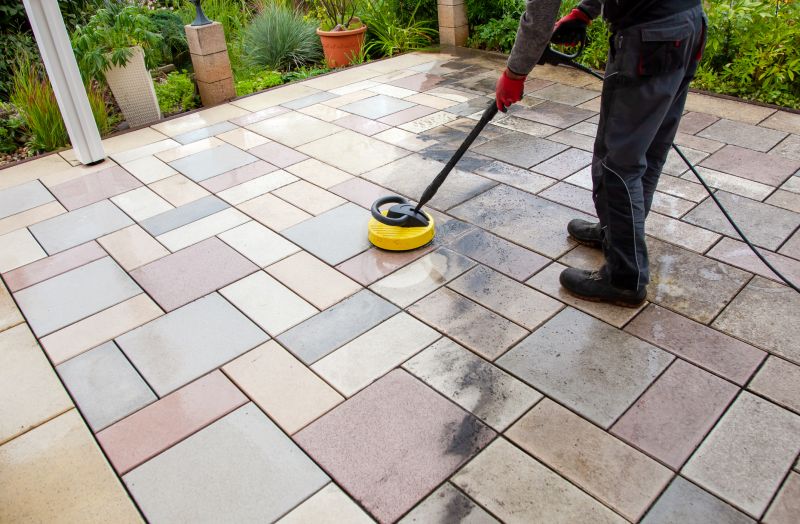
Property owners in the area often notice signs it’s time to reseal their pavers when the surface begins to look dull or faded, especially after harsh weather or heavy foot traffic. Cracks, chips, or loose pavers can also indicate that the protective seal has worn down, making the surface more vulnerable to damage. When these issues start to appear, many consider reaching out to local contractors who specialize in paver resealing to restore the appearance and durability of their outdoor spaces.
Additionally, if stains or discoloration become more difficult to clean, it may be a sign that the sealant has lost its effectiveness. Over time, dirt and debris can settle into the paver joints, leading property owners to seek professional help for resealing. Local service providers can evaluate the condition of the pavers and recommend the right solutions to maintain the integrity and aesthetic appeal of the paving surface.
How can I tell if my pavers need resealing? Signs it’s time to reseal your pavers include visible wear, fading color, or the presence of stains that won’t come clean.
What indicates that the protective layer on pavers is deteriorating? If water no longer beads on the surface or the pavers start to look dull and weathered, it may be time for resealing services from local contractors.
Are there visual clues that suggest resealing is necessary? Cracks, chipping, or a loss of the original shine are common signs that paver resealing could improve their appearance and protection.
How do stains or moss affect the need for resealing? Persistent stains or moss growth can penetrate the surface, indicating that resealing by experienced service providers might help restore and protect the pavers.
When should I consider scheduling paver resealing? If the surface shows signs of fading, staining, or surface damage, consulting local pros for resealing services can help maintain the durability and look of the pavers.
Visible wear and discoloration - noticing fading or staining on pavers can indicate that resealing is needed to restore their appearance, and local contractors can help refresh the surface.
Cracks or loose pavers - if pavers are starting to shift or develop cracks, resealing can help protect against further damage, with local service providers able to assess and repair the area.
Hosing off reveals dirt buildup - when dirt and debris become more difficult to remove with regular cleaning, resealing can create a protective barrier, and local pros can perform the job effectively.
Water absorption after rain - if water soaks into the pavers instead of beading on the surface, resealing may be necessary to improve water resistance, with local contractors available to apply a new sealant.
If you are thinking about signs it’s time to reseal your pavers for a property, this guide is meant to help you understand this topic, the typical project types, and how different options might fit your plans.
When you are ready, you can use the quote form on this page to share a few details about your project. From there, local pros can review the basics and follow up with options that match what you have in mind.